San Diego homeowners renovating bathrooms in 2026 are working in one of California's most competitive remodeling markets, with a housing stock that ranges from 1950s ranch homes in La Mesa and El Cajon to new construction in Chula Vista and luxury coastal estates in La Jolla and Del Mar. Tile is the defining material in any San Diego bathroom renovation - it handles the region's coastal humidity, holds up to the active indoor-outdoor lifestyle, and adds lasting value in a real estate market where condition and design matter enormously to buyers.
This guide covers everything San Diego homeowners need to know about bathroom tile renovation: material choices for the coastal climate, permit requirements, waterproofing systems, costs, and how to find and evaluate qualified contractors in the county.
San Diego Climate and Its Impact on Bathroom Tile Choice
San Diego's Mediterranean climate - mild year-round temperatures, low humidity on average but with significant coastal moisture in the June Gloom season and in neighborhoods close to the ocean - creates specific conditions that should drive tile specification decisions in bathroom renovations.
In coastal neighborhoods from Point Loma and Ocean Beach north through Pacific Beach, La Jolla, Del Mar, and Carlsbad, the marine layer delivers moisture-laden salt air that affects tile installations differently than inland areas. Key considerations:
- Grout selection: In coastal San Diego bathrooms, standard sanded cement grout in shower enclosures is a maintenance liability. Salt-air humidity accelerates grout degradation, particularly at floor-wall transitions. Specify epoxy grout (ANSI A118.3) in shower wet zones and urethane grout (Laticrete SpectraLOCK PRO, Mapei Ultracolor Plus FA) for all other bathroom floor applications.
- Metal trim and fittings: Schluter profiles and similar metal edge trims should be specified in brushed stainless or brass rather than chrome or painted finishes in coastal locations - salt air accelerates corrosion on chrome finishes within 3-5 years.
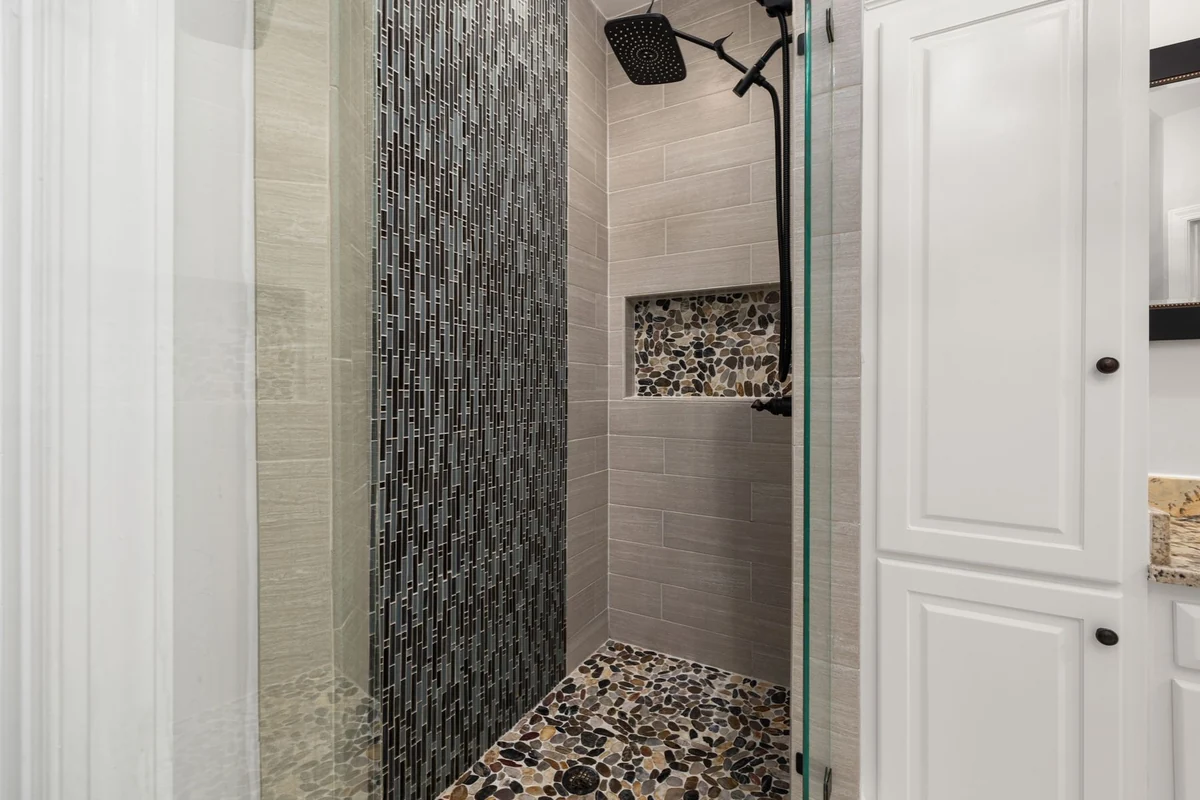
- Porcelain over natural stone for primary shower use: In La Jolla, Del Mar, and Coronado homes where salt air is a daily reality, porcelain with less than 0.5% water absorption outperforms porous natural stone (travertine, limestone, sandstone) in shower enclosures. If natural stone is specified, use only dense marbles (Calacatta, Bianco Carrara) with robust penetrating sealer programs maintained annually.
Key fact: The San Diego Association of Realtors consistently reports that updated bathrooms are among the top three features that influence sale price in the San Diego market. A professionally tiled master bath can return 60-80% of remodel cost at resale in San Diego's current market conditions.
Permits for San Diego Bathroom Tile Renovations
Permit requirements for bathroom renovations vary across San Diego County's 18 incorporated cities plus unincorporated county territory. The City of San Diego Development Services Department handles permits for properties within city limits; other jurisdictions (Chula Vista, El Cajon, La Mesa, Santee, Poway, Escondido, etc.) have their own building departments.
When a permit is generally required:
- Converting a tub to walk-in shower (involves new drain location and waterproofing)
- Moving or adding plumbing fixtures
- Adding or modifying electrical circuits (heated floors, new lighting, additional GFCI outlets)
- Structural modifications (removing walls, changing openings)
When a permit is generally not required:
- Replacing existing tile on the same surfaces without moving plumbing or electrical
- Installing new tile over a properly prepared substrate in a non-structural application
In the City of San Diego, unpermitted work is a growing issue as the city has expanded enforcement and electronic records have made permit histories more transparent. For any renovation that requires a permit, using a licensed contractor who pulls the permit is essential - not just legally, but practically, because the permit inspection process catches installation errors before they are buried in finished surfaces.
Waterproofing: The Critical Decision in Any San Diego Shower Renovation
San Diego's older housing stock - particularly the 1950s through 1980s construction that dominates neighborhoods like Normal Heights, North Park, Kensington, and Mission Hills - often has shower enclosures tiled directly over green board (water-resistant drywall) or even standard drywall with no dedicated waterproofing membrane. These assemblies fail over time, and many San Diego bathroom renovations are driven by water damage from failed shower waterproofing rather than aesthetic updating alone.
When renovating a San Diego shower, the industry standard is a dedicated waterproofing membrane as the first layer behind the tile. Current best-practice options include:
- Schluter KERDI membrane: The most widely-specified system in San Diego. A thin polyethylene membrane bonded with unmodified thin-set to cement board or other approved substrates. KERDI is fully waterproof at the membrane level - not at the grout level - which means the tile and grout are protected from the outside, not relying on them to keep water out. Widely available and well-understood by most licensed San Diego tile contractors.
- Wedi board system: Extruded polystyrene foam panels with a factory-applied fiberglass-reinforced coating. The entire board is waterproof, eliminating the need for a separate membrane layer. Excellent for complex shower geometries (niches, benches, custom angles).
- Laticrete Hydro Ban: A liquid-applied broadband waterproofing membrane that is brushed or rolled onto cement board substrates. Effective and commonly used in San Diego; requires careful attention to film thickness (30 mil DFT minimum) and transition treatment at changes of plane.
In San Diego's coastal neighborhoods, where ambient humidity during June Gloom can keep bathroom moisture levels elevated for weeks at a time, proper waterproofing is particularly important. Moisture vapor moving through inadequately waterproofed shower walls can cause tile delamination, mold growth in the wall cavity, and structural wood rot - problems that can cost $10,000-30,000+ to remediate.
Pro tip: For San Diego bathroom renovations in homes built before 1985, always test existing shower walls and floors for asbestos-containing materials (ACM) before demo. Both floor tile adhesive and some backer board products from this era may contain asbestos. An asbestos test costs $50-150 and can prevent serious health risks and large abatement expenses.
Popular Tile Choices for San Diego Bathrooms in 2026
San Diego's design sensibility reflects the coastal California lifestyle - bright, clean, natural materials with indoor-outdoor flow. The tile choices currently dominating SD bathroom renovations include:
Large-format white or light porcelain (24x48, 32x32) in a matte or satin finish remains the most specified choice in San Diego master bath renovations. It photographs beautifully for real estate listings, reads as clean and contemporary, and is practical to maintain. Popular in Carmel Valley, Rancho Bernardo, and Eastlake new-construction renovations.
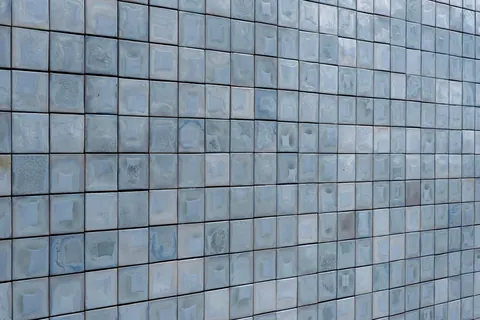
Zellige and handmade ceramic tile has moved strongly into the SD market, particularly in coastal neighborhoods where the artisanal aesthetic pairs well with the beachy, relaxed design culture of Ocean Beach, Pacific Beach, and Cardiff by the Sea. Pale sea-glass greens, sandy whites, and warm terracottas are popular colorways.
Marble-look porcelain in the Calacatta or Statuario pattern provides the luxury spa look popular in La Jolla and Del Mar master baths without the maintenance demands of real marble in San Diego's active-lifestyle households.
Concrete-look porcelain in warm gray and taupe tones is popular in the modern and transitional bathroom renovations common in Hillcrest, Mission Hills, and South Park.
Bathroom Tile Renovation Costs in San Diego - 2026
San Diego tile installation costs are in line with the broader Southern California premium labor market:
- Shower tile installation (labor, standard format): $15-22 per square foot
- Shower waterproofing system (KERDI or equivalent): $600-1,200 for a standard 3x5 shower
- Bathroom floor tile installation: $12-18 per square foot labor only
- Complete master bath renovation (floor + shower + walls, mid-range materials): $7,000-16,000
- Secondary bath renovation (tub/shower combo + floor): $4,000-8,000
- High-end master bath (natural stone, large format, custom design): $18,000-40,000+
These figures are for licensed contractors with proper materials - not day-rate unlicensed labor, which creates real liability exposure for SD homeowners.
How to Find a Qualified Tile Contractor in San Diego
San Diego County has many qualified licensed tile contractors, but screening them properly is essential. The steps are the same as for any California tile project:
- Verify the C-54 Tile Contractor license on the CSLB website (cslb.ca.gov) - confirm the license is active and note any complaints or disciplinary actions
- Confirm current general liability and workers' compensation insurance
- Request references from similar San Diego projects - specifically shower tile installations and large-format tile work if those are in your scope
- Get a written scope of work that specifies the waterproofing system, thin-set products, grout products, and warranty terms
- Obtain at least three competitive bids from licensed contractors
For a bathroom renovation of any significant scale, the investment of time in proper contractor screening pays for itself many times over. San Diego's real estate market rewards well-executed bathroom renovations, and tile work done correctly will serve your home beautifully for 20-30 years or more.