What Is Natural Stone Tile?
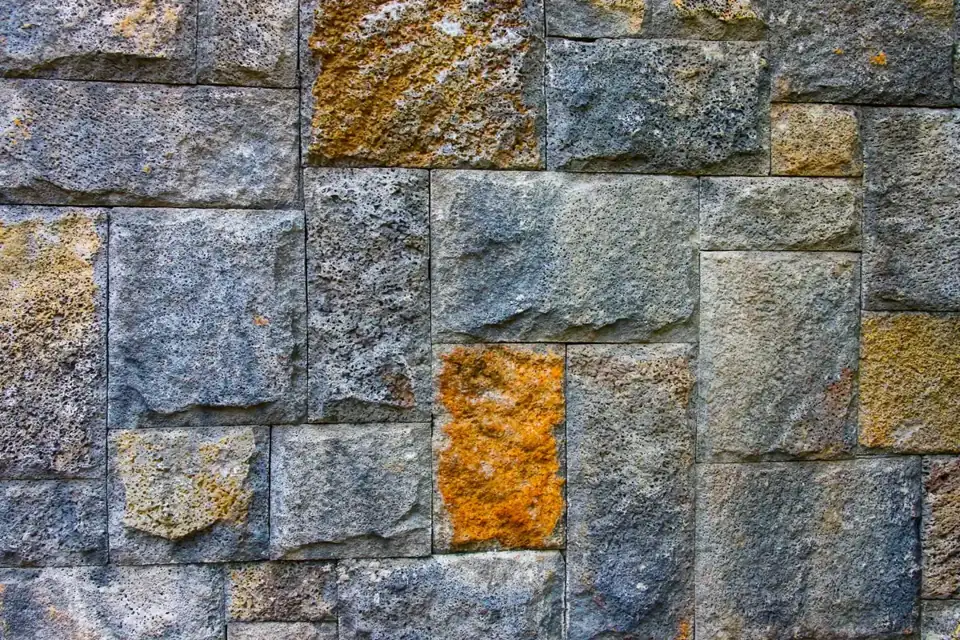
Natural stone tile is exactly what it sounds like: tile cut directly from stone quarried from the earth. Unlike ceramic or porcelain tiles, which are manufactured from processed clay, natural stone tiles are sliced from blocks of real rock that formed over millions of years through geological processes.
Every piece of natural stone tile is unique. The veining in marble, the fossilized patterns in travertine, the layered texture of slate, these are signatures of nature that no manufacturing process can truly replicate. This inherent uniqueness is both natural stone's greatest appeal and its biggest consideration: no two tiles are ever exactly alike.
How Natural Stone Tile Is Made
The journey from quarry to your floor involves several steps:
- Quarrying: Large blocks of stone are extracted from quarries using diamond wire saws, channeling machines, or controlled blasting.
- Slabbing: The blocks are cut into slabs using gang saws or diamond wire saws, typically 2cm or 3cm thick for countertops, or thinner (10mm–12mm) for tiles.
- Cutting to size: Slabs are cut into specific tile dimensions using precision cutting equipment.
- Surface finishing: The tile surface is treated to achieve the desired finish (polished, honed, tumbled, brushed, etc.).
- Calibration: Tiles are ground to uniform thickness for consistent installation.
- Quality inspection: Tiles are inspected, graded, and sorted by color consistency and quality.
Types of Natural Stone Tile
Marble
Marble is metamorphic limestone that has been transformed by heat and pressure deep within the earth. Known for its elegant veining and luminous surface, marble has been a symbol of luxury since ancient Greek and Roman architecture. Common varieties include Carrara, Calacatta, Emperador, and Crema Marfil.
Best for: Bathroom vanities, fireplace surrounds, accent walls, light-traffic floors
Considerations: Softer stone (3-5 on Mohs scale), susceptible to etching from acids, requires regular sealing
Granite
Granite is an igneous rock formed from cooled magma, known for its exceptional hardness and durability. It features a speckled, crystalline appearance with tremendous color variety: from blacks and grays to blues, greens, reds, and golds.
Best for: High-traffic floors, kitchen countertops, outdoor applications, commercial spaces
Considerations: Very hard (6-7 on Mohs scale), excellent scratch and stain resistance, requires periodic sealing
Travertine
Travertine is a sedimentary limestone formed around mineral springs and hot springs. It features characteristic pitting and a warm, earthy color palette ranging from ivory and beige to gold, walnut, and rust. The natural holes can be filled during processing or left open for a more rustic look.
Best for: Floors, bathroom walls, pool decks, patios, especially popular in Southern California Mediterranean-style homes
Considerations: Moderately soft (4-5 on Mohs scale), sensitive to acids, requires sealing
Slate
Slate is a fine-grained metamorphic rock known for its natural cleft surface and rich, dark color palette: typically grays, blacks, greens, purples, and rust tones. Its naturally textured surface provides excellent slip resistance.
Best for: Entryways, mudrooms, outdoor walkways, rustic and contemporary interiors
Considerations: Moderate hardness, can flake along natural cleavage planes, requires sealing
Limestone
Limestone is a sedimentary rock composed primarily of calcium carbonate. It offers a softer, more understated look than marble, with subtle fossil inclusions and a matte, natural appearance. Colors range from creamy whites to warm beiges and cool grays.
Best for: Bathroom floors and walls, fireplace surrounds, low-traffic residential spaces
Considerations: Soft (3-4 on Mohs scale), highly susceptible to acid etching, requires diligent sealing and maintenance
Quartzite
Quartzite is metamorphic sandstone, one of the hardest natural stones available. It combines the look of marble with the durability of granite, featuring flowing patterns and a wide color range from whites and grays to dramatic blues and greens.
Best for: High-traffic floors, kitchen countertops, outdoor applications, anywhere you want a marble look with superior durability
Considerations: Very hard (7 on Mohs scale), excellent durability, some varieties require sealing
Natural Stone Finishes
The surface finish dramatically changes how natural stone looks and performs:
- Polished: Mirror-like shine that enhances color depth and veining. Beautiful but more slippery when wet.
- Honed: Smooth matte finish. Less slippery than polished, shows fewer scratches and etching marks.
- Tumbled: Rounded edges and aged appearance. Popular for rustic and Old World aesthetics.
- Brushed: Slightly textured surface with a soft sheen. Good balance of beauty and slip resistance.
- Cleft/Natural: The stone's natural surface texture, common with slate. Maximum slip resistance and character.
Pros and Cons of Natural Stone Tile
Advantages
- Unique beauty: no two tiles are identical
- Adds significant value to your home
- Extremely long-lasting when properly maintained (centuries, in some cases)
- Eco-friendly: a natural, non-manufactured material
- Ages beautifully, developing patina over time
Considerations
- Higher cost than manufactured tile (typically $5–$30+ per square foot)
- Requires regular sealing (annually for most types)
- More susceptible to staining and etching than porcelain
- Heavier: may require additional structural support
- Color and pattern variation between lots (plan for overage)
Natural Stone Tile in Southern California
Natural stone is a natural fit for Southern California's architectural character. Travertine and limestone complement the region's Mediterranean and Spanish Colonial homes beautifully. Slate and quartzite work wonderfully for the modern and mid-century modern styles prevalent across San Diego County.
Our mild climate is generally friendly to natural stone, though outdoor installations require proper sealing and drainage to handle occasional heavy rains.
At Tile San Diego, we specialize in natural stone installation throughout San Diego County. From selecting the right stone to ensuring proper sealing and long-term maintenance, our expertise ensures your natural stone investment looks beautiful for decades.
The Bottom Line
Natural stone tile offers an unmatched combination of beauty, uniqueness, and timeless appeal. Each type (marble, granite, travertine, slate, limestone, and quartzite) has distinct characteristics suited to different applications and design styles.
The key to a successful natural stone installation is understanding each material's strengths and limitations, then matching the right stone to the right application. Contact Tile San Diego to explore natural stone options for your next project.