The Hardest Natural Stone for Tile
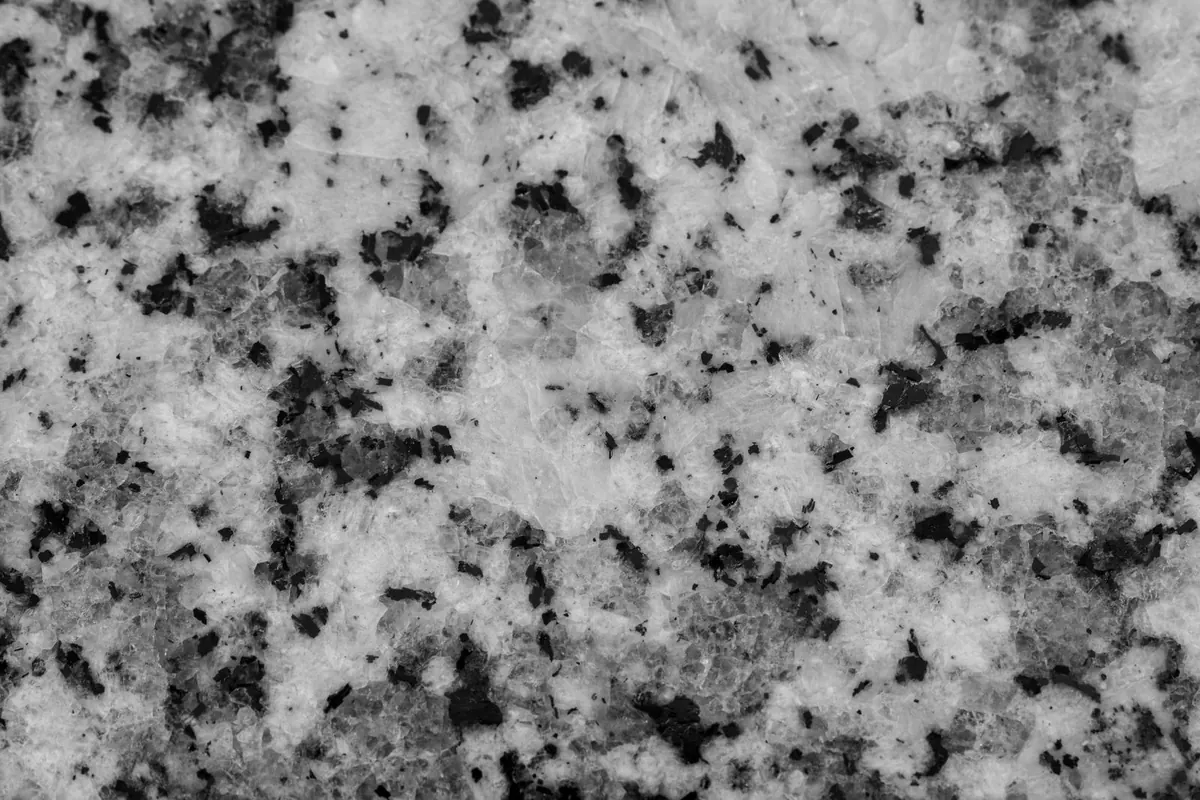
Granite is an igneous rock, meaning it formed from molten magma cooling slowly deep within the earth. This slow crystallization process creates granite's distinctive speckled appearance and exceptional hardness. With a Mohs rating of 6-7, granite is one of the hardest natural stones used for tile, second only to quartzite.
For homeowners and commercial property owners who want the beauty of natural stone with maximum durability, granite tile is a compelling choice.
What Makes Granite Unique
Composition
Granite is composed primarily of quartz, feldspar, and mica, with smaller amounts of other minerals that contribute to its color variation. The interplay of these minerals creates the stone's characteristic crystalline, speckled appearance.
Color Range
Granite offers one of the widest color ranges of any natural stone:
- Black: Absolute Black, Galaxy Black, dramatic and modern
- Gray: Salt and pepper patterns, silver tones
- White: Kashmir White, Colonial White, light and airy
- Brown/Tan: Giallo, Santa Cecilia, warm and traditional
- Red/Pink: Red Dragon, Imperial Red, bold and distinctive
- Blue: Blue Pearl, Azul Bahia, rare and striking
- Green: Ubatuba, Verde Butterfly, unique and luxurious
Durability
Granite's hardness makes it exceptionally resistant to:
- Scratching (MOHS 6-7 resists most household abrasives)
- Chipping (the dense crystalline structure is resilient)
- Wear from foot traffic
- Heat (granite is formed at extremely high temperatures)
Granite Tile vs Granite Slab
Granite tile (typically 12×12 or 18×18 inches, 10-12mm thick) offers several advantages over full granite slabs:
- Cost: Granite tile is significantly less expensive than slab: $5-$15/sq ft vs $40-$100+/sq ft installed for countertop slabs
- DIY-friendlier: Lighter pieces are easier to handle than 300+ pound slabs
- Design flexibility: Can be combined with borders, accents, and patterns
- Replacement: Individual damaged tiles can be replaced; a damaged slab often requires full replacement
The trade-off: more grout lines and a less seamless appearance than slab for countertop applications.
Best Applications
High-Traffic Floors
Granite's exceptional hardness makes it ideal for entryways, hallways, commercial lobbies, and any area that sees heavy foot traffic. It resists wear better than marble, travertine, or limestone.
Kitchen Floors
Granite handles the demands of a busy kitchen (dropped utensils, spilled liquids, heavy foot traffic) better than softer natural stones.
Outdoor Applications
Many granite varieties have very low water absorption rates (0.1-0.5%), making them suitable for outdoor patios, walkways, and even pool decks in Southern California.
Commercial Spaces
Granite's durability and professional appearance make it popular for:
- Building lobbies and corridors
- Retail showrooms
- Restaurant entryways
- Office common areas
Countertops
While granite slab dominates the countertop market, granite tile can create beautiful countertops at a fraction of the cost.
Maintenance
Granite is one of the easiest natural stones to maintain:
- Sealing: Apply an impregnating sealer every 1-3 years. Some dense granites rarely need sealing.
- Daily cleaning: Sweep or dust mop regularly; clean with a pH-neutral stone cleaner.
- Acid resistance: Granite is far more resistant to acid etching than marble or travertine, though acidic substances should still be cleaned promptly.
- Stain resistance: When properly sealed, granite resists staining effectively.
Cost Guide
- Granite tile: $5–$15/sq ft for most varieties
- Premium or exotic granite: $15–$25+/sq ft
- Installation: $8–$18/sq ft in San Diego County
- Sealing: $1–$2/sq ft (DIY) every 1-3 years
Granite vs Other Natural Stones
- Granite vs Marble: Granite is harder, more stain-resistant, and easier to maintain. Marble is softer and more elegant but requires more care.
- Granite vs Travertine: Granite is harder and more uniform. Travertine is warmer and more rustic.
- Granite vs Quartzite: Quartzite is slightly harder with marble-like veining. Granite has a more crystalline, speckled look.
- Granite vs Porcelain: Porcelain is more uniform, lower maintenance, and less expensive. Granite offers authentic natural beauty and exceptional hardness.
Granite Tile in Southern California
Granite tile appears throughout San Diego County in both residential and commercial settings. Its practical durability makes it popular for:
- High-traffic entryways in coastal homes where sand abrasion is a concern
- Commercial building lobbies and corridors
- Kitchen and outdoor installations where toughness matters
At Tile San Diego, we install granite tile with proper substrate preparation and setting techniques to ensure each piece is level, secure, and sealed for long-term performance.
The Bottom Line
Granite tile offers the best combination of natural stone beauty and practical durability. It's harder than marble, easier to maintain than travertine, and brings genuine geological character to any space. While porcelain can mimic many looks, nothing replicates the depth and sparkle of real granite crystals.
For granite tile installation across San Diego County, contact Tile San Diego. We'll help you select the right granite variety and ensure a flawless installation.