Why Porcelain Tile Dominates the Market
Porcelain tile has become the single most popular tile material in the United States, and for good reason. It combines exceptional durability, low maintenance, design versatility, and suitability for virtually any application, from shower walls to outdoor patios. Whether you're building a new home in San Diego or renovating a commercial space in Chula Vista, porcelain tile deserves serious consideration.
This guide covers everything you need to know to buy porcelain tile with confidence.
What Defines Porcelain Tile
Porcelain tile is a type of ceramic tile made from refined clays (typically including kaolin) that is pressed at higher pressures and fired at higher temperatures (2,200°F–2,500°F) than standard ceramic. The defining characteristic is a water absorption rate of 0.5% or less, as certified by ASTM C373 testing.
This extremely low absorption rate means porcelain is denser, harder, and more impervious to moisture than standard ceramic tile.
Types of Porcelain Tile
By Construction
- Glazed porcelain: A decorative glaze layer is applied to the tile surface. Offers virtually unlimited design possibilities including wood, marble, concrete, and fabric looks. Most residential porcelain is glazed.
- Through-body (full-body) porcelain: Color and composition are uniform throughout the tile. Chips and wear are less visible. Preferred for heavy commercial traffic.
- Polished porcelain: The tile surface is mechanically polished to a high shine. Beautiful but more slippery when wet and may require sealing.
By Format
- Standard format: 12×12, 12×24, 13×13, 18×18 inches
- Large format: 24×24, 24×48, 32×32 inches
- Plank format: 6×24, 6×36, 8×48 inches (popular for wood looks)
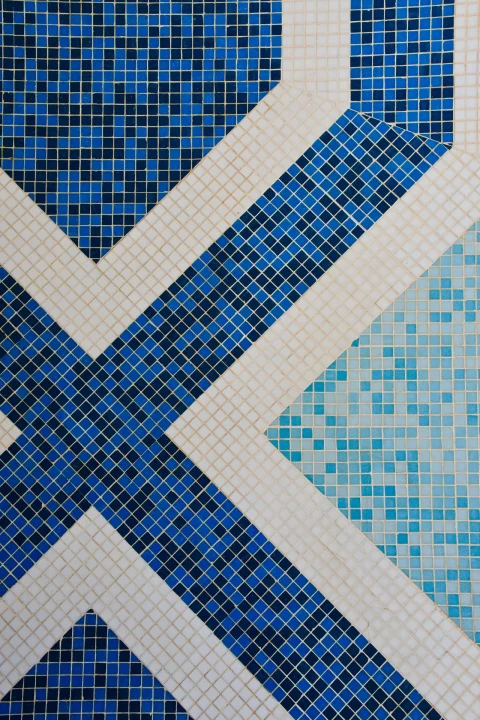
- Mosaic format: Small tiles on mesh sheets
- Slab format: 48×96 inches and larger (for walls and countertops)
By Look
Modern porcelain tiles can replicate almost any material:
- Wood look: Realistic grain, knots, and plank formats
- Marble look: Veining and depth that closely mimics natural marble
- Concrete look: Industrial, modern aesthetics
- Natural stone look: Travertine, slate, limestone reproductions
- Terrazzo look: Chip patterns and colorful aggregates
- Fabric/textile look: Linen, canvas, and woven textures
Key Specifications to Check
When shopping for porcelain tile, verify these specs:
- Water absorption: ≤ 0.5% (by definition for porcelain)
- DCOF: ≥ 0.42 for floor use in wet areas
- PEI rating: 3+ for residential floors, 4+ for commercial
- MOHS hardness: 7+ for high-traffic floors
- Breaking strength: ≥ 1300N for standard thickness tiles
- Rectified vs pressed edge: Rectified for narrow grout joints
- PTCA certification: Verifies the tile truly meets porcelain standards
Cost Guide
Porcelain tile pricing varies widely based on quality, size, design, and origin:
- Budget porcelain: $2–$4/sq ft. Solid colors, basic patterns, domestic production
- Mid-range porcelain: $4–$8/sq ft. Wood looks, stone looks, Italian and Spanish imports
- Premium porcelain: $8–$15/sq ft. Large format, advanced designs, high-end Italian brands
- Luxury/slab porcelain: $15–$30+/sq ft. Extra-large format slabs, premium designer collections
Installation costs typically run $6–$15 per square foot in San Diego County, depending on complexity, tile size, and substrate preparation needed.
Shopping Tips
Buy from Reputable Sources
Purchase from established tile retailers or direct from major distributors. Avoid mystery tiles from unknown sources that may not meet stated specifications.
Check the PTCA Mark
The Porcelain Tile Certification Agency mark verifies that the tile genuinely meets the ≤ 0.5% absorption standard. Not all tiles labeled "porcelain" actually qualify.
Order Sufficient Overage
Always order 10-15% more than your measured area to account for cuts, waste, breakage, and future repairs. For complex layouts or diagonal patterns, order 15-20% extra.
Inspect Before Installation
Open multiple boxes and lay tiles side by side to check for color consistency, size uniformity, and any defects. Claims for defective tile must typically be made before installation.
Match Grout Carefully
The right grout color can make or break a porcelain tile installation. Matching grout to tile color creates a seamless look; contrasting grout highlights the tile pattern. Always test grout samples before committing.
Consider the Whole Cost
Tile price per square foot is just one component. Factor in:
- Substrate preparation (leveling, waterproofing)
- Thin-set mortar (modified for porcelain)
- Grout and sealer
- Trim pieces and transitions
- Professional installation labor
- Waste and overage
Best Applications for Porcelain Tile
- Bathroom floors and walls: The low absorption makes it perfect for wet environments
- Kitchen floors: Durable, stain-resistant, easy to clean
- Living areas: Large format porcelain creates seamless, modern floors
- Outdoor patios and pool decks: Only impervious tile should be used outdoors
- Commercial spaces: Through-body porcelain handles heavy traffic
- Countertops: Porcelain slabs offer a durable, heat-resistant alternative to natural stone
- Fireplace surrounds: Heat-resistant and beautiful
The Bottom Line
Porcelain tile is the most versatile and reliable tile material available. Its combination of durability, low maintenance, design flexibility, and suitability for any environment makes it the default recommendation for most tile projects.
At Tile San Diego, porcelain tile accounts for the majority of our installations across San Diego County. We know the material inside and out, from selecting the right product to achieving flawless installations. See how we handle porcelain tile flooring in San Diego and bathroom and shower tile in San Diego. Contact us to start planning your porcelain tile project.