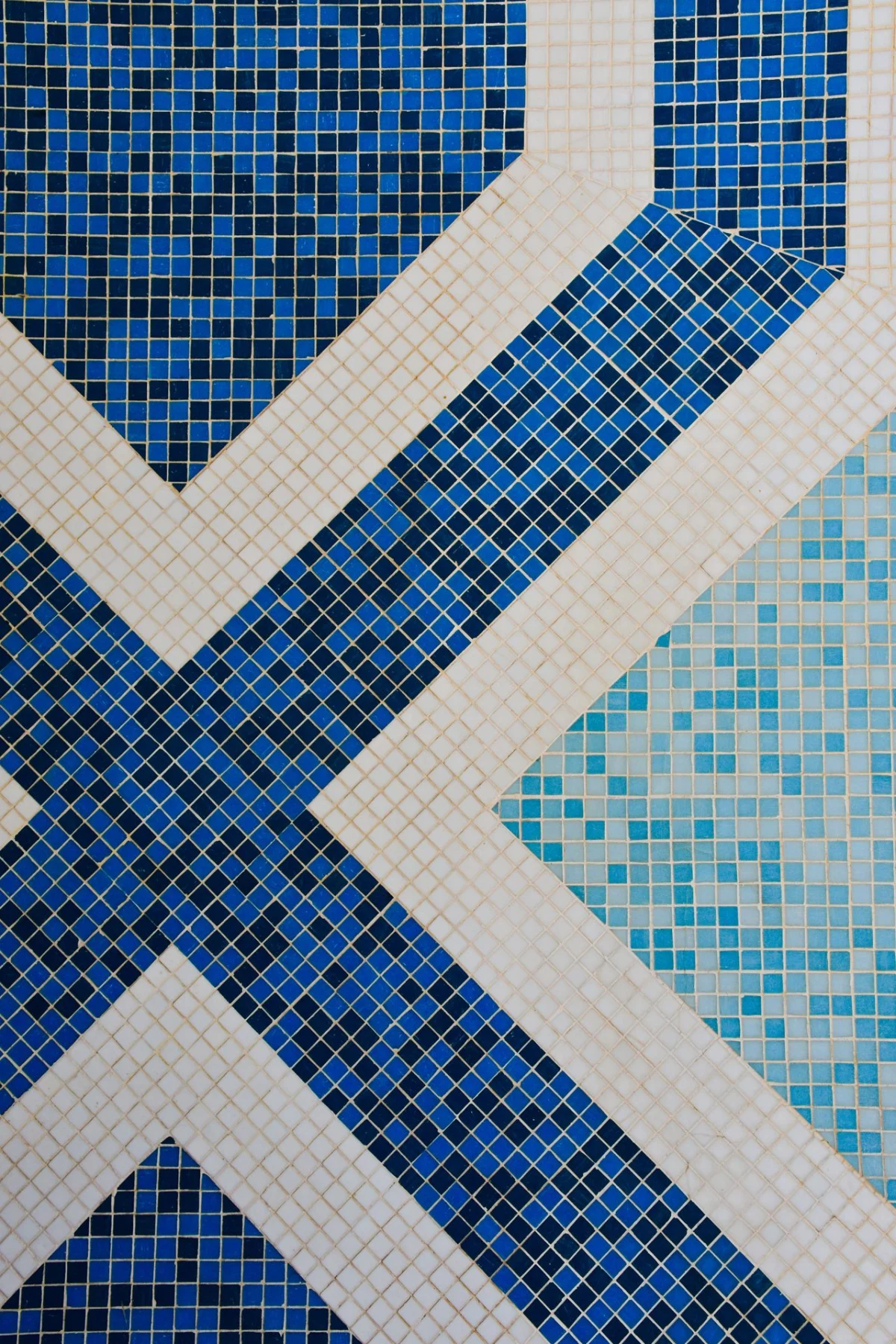
Why Glass Tile Is Different
Glass tile occupies a unique category in the tile world. Unlike ceramic, porcelain, or natural stone, which are all opaque materials, glass tile is translucent. Light doesn't just reflect off the surface; it penetrates into the tile, bounces off the backing, and creates a luminous depth that no other material can achieve.
This light-playing quality makes glass tile one of the most visually dynamic options available. Colors appear to glow from within. Surfaces shimmer and shift as lighting changes throughout the day. It's pure visual magic.
Types of Glass Tile
By Manufacturing Process
- Cast glass: Molten glass is poured into molds. Produces thick, substantial tiles with deep color and character.
- Fused glass: Layers of glass are stacked and heated until they fuse. Creates unique color blends and patterns.
- Sintered glass: Glass powder is compacted and heated below melting point. Produces a more textured, matte finish.
- Recycled glass: Made from post-consumer or post-industrial glass. Eco-friendly option with unique visual character.
By Format
- Mosaic sheets: Small tiles (½" to 2") mounted on mesh sheets. The most common glass tile format.
- Subway format: 3×6, 4×8, or 4×12 inch tiles. Clean, modern look.
- Field tiles: Larger individual tiles (4×4, 6×6, 8×8) for broader coverage.
- Linear/stick format: Long, narrow tiles (1×4, 1×6, 1×12) for contemporary designs.
- Penny round: Small circular tiles creating organic, playful patterns.
Color and Visual Properties
Glass tile's color range is virtually unlimited:
- Bold primaries: Vibrant reds, blues, greens, yellows
- Soft pastels: Seafoam, blush, sky blue, mint
- Neutrals: White, gray, beige, black
- Metallic: Gold, silver, copper finishes
- Iridescent: Rainbow-shift surfaces that change color with viewing angle
- Frosted: Soft, diffused color with matte surface
The translucent quality means glass tiles often look different in the store than they do installed. Lighting, the adhesive color showing through, and surrounding materials all affect the final appearance.
Best Applications
Kitchen Backsplashes
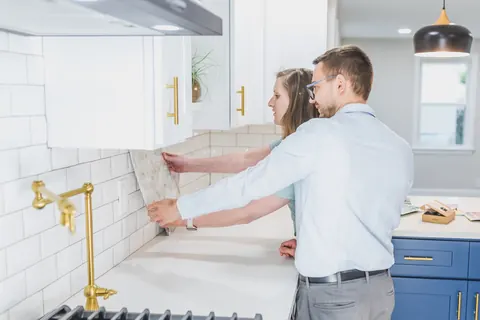
This is glass tile's natural home. A glass tile backsplash:
- Reflects light and brightens kitchen spaces
- Is completely waterproof and stain-resistant
- Cleans easily: grease and food splatters wipe right off
- Creates a stunning focal point behind the range or sink
Bathroom Walls and Shower Surrounds
Glass tile transforms bathrooms with color and light. It's completely waterproof and mold-resistant. Popular applications include:
- Shower accent bands and niches
- Full shower wall coverage
- Bathroom feature walls
- Vanity backsplashes
Pool Interiors
Glass tile is the premium choice for pool interiors. The way glass interacts with water and sunlight creates mesmerizing visual effects that make a pool the centerpiece of outdoor living.
Accent Features
Glass tile works beautifully as an accent material: a decorative strip within a larger ceramic or stone installation, a framed feature panel, or a bar top application.
Where Glass Tile Doesn't Belong
Floors
Standard glass tile is not recommended for floor use. It can be slippery when wet, and the surface can scratch from foot traffic and grit. Some specialized glass floor tiles exist, but they're the exception.
Heavy-Impact Areas
Glass tile can crack or chip from hard impacts. It's best in areas where it won't be subjected to physical abuse: walls, backsplashes, and protected surfaces.
Installation Considerations
Glass tile has unique installation requirements:
Adhesive
- Use a white, non-sag modified thin-set mortar specifically rated for glass tile
- The thin-set color matters: it shows through translucent glass. Always use white.
- Standard gray thin-set will darken the tile's appearance and look inconsistent
Substrate
- The wall surface must be perfectly flat and smooth: imperfections telegraph through transparent tiles
- White cement board or white-coated substrates are preferred
Cutting
- Glass tile requires special cutting techniques: diamond wheel wet saws with glass-specific blades
- Scoring and snapping works for straight cuts on some glass tiles
- Nipping tools for curves and small adjustments
Grouting
- Non-sanded grout is typically recommended for glass tile to avoid scratching
- Urethane grout or epoxy grout are premium options that resist staining
- Grout color significantly affects the final look: test samples before committing
Expansion Joints
Glass expands and contracts with temperature changes at a different rate than the substrate. Proper expansion joints are essential to prevent cracking.
Cost Guide
- Glass mosaic sheets: $8–$25/sq ft
- Subway and field glass tile: $10–$35/sq ft
- Premium/designer glass tile: $30–$60+/sq ft
- Installation: $12–$25/sq ft (higher than ceramic due to specialized techniques)
Glass tile is a premium material with premium installation costs. Budget for 20-30% more than equivalent ceramic or porcelain installations.
Glass Tile in Southern California
Glass tile is popular across San Diego County for:
- Kitchen backsplashes in coastal and modern homes
- Pool interiors in high-end residences
- Bathroom accents and feature walls
- Commercial bar and restaurant designs
The way glass tile catches Southern California's abundant natural light makes it particularly effective in our sun-filled homes.
At Tile San Diego, we install glass tile with the specialized techniques this material demands: proper adhesive selection, precise cutting, and meticulous grouting that showcases the glass's luminous beauty.
The Bottom Line
Glass tile is a specialty material that excels in specific applications: backsplashes, wall features, pool interiors, and accent installations. It's not a do-everything material, but in the right place, nothing else compares. The interplay of light, color, and translucency creates visual effects that ceramic, porcelain, and stone simply can't achieve.
For glass tile installation across San Diego County, contact Tile San Diego. We'll help you choose the right glass tile and install it to its full, luminous potential.